
Call us now :08045812426
 Send Inquiry
 Send Inquiry
Chemical Earthing Installation Services
Price 2200 INR/ Number
Chemical Earthing Installation Services Specification
- Tensile Strength
- 600 N/mm
- Copper Thickness
- 100250 microns
- Life Span
- Over 25 Years in Normal Soil Conditions
- Strength
- High Mechanical Strength upto 600 N/mm
- Purity
- Copper Purity above 99%
- Diameter
- 16mm, 17.2mm, 25mm, 32mm (as required)
- Product Type
- Chemical Earthing Installation Services
- Material
- Copper Bonded Steel / GI (Galvanized Iron)
- Application
- Electrical Earthing for Protection of Equipment and Personnel
- Function
- Provides low resistance earthing for electrical safety
- Shape
- Rod/Cylindrical
- Surface Treating
- Copper Bonded / Galvanized
- Tolerance
- 5 mm
- Dimension (L*W*H)
- Standard sizes (as per requirement), e.g., 2m x 60mm
- Weight
- Approx. 715 kg (depends on size)
- Color
- Copper Brown / Metallic Grey
- Packing Type
- Standard Packing (Carton/Bag)
- Minimum Order Quantity
- As per requirement (generally 1 set or more)
- Backfill Material
- Carbon Based Conductive Compound
- Corrosion Resistance
- High; Suitable for Aggressive Soil Conditions
- Resistivity Achieved
- Less than 1 Ohm
- Moisture Retention
- Excellent due to use of Backfill Compound
- Applicable Standards
- IS 3043, IEEE 80, IEC 62561-2
- Service Type
- On-site Installation with Testing
- Operating Temperature Range
- -10C to +60C
- Installation Method
- Direct Driven or Augered Hole with Backfill Compound
Chemical Earthing Installation Services Trade Information
- Minimum Order Quantity
- 50 Number
- Supply Ability
- 1000 Per Day
- Delivery Time
- 2 Days
- Sample Policy
- Contact us for information regarding our sample policy
- Main Domestic Market
- All India
About Chemical Earthing Installation Services
| Size of Conductor | 50*6mm |
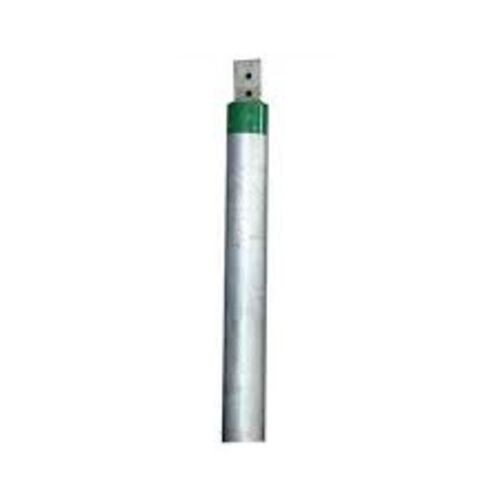
| Length of Rod | 1-2-3 meters |
| Material | Galvanised iron |
| Diameter | 76-50 mm |
| Surface Treatment | Galvanized |
allow the rod to be installed at least 12 feet into the ground. Usually, a hole of 120 to 150mm diameter and 3 mtr depth is needed for driving the ground rod into the soil. This can vary depending on the dimension of the ground rod.
Superior Performance in Harsh Soil Conditions
Designed for aggressive soils, our chemical earthing systems utilize a special carbon-based backfill compound that retains moisture and resists corrosion remarkably well. This ensures high conductivity and low resistance grounding, critical for safeguarding electrical installations and enhancing overall system safety.
Compliance with International Standards
We strictly adhere to IS 3043, IEEE 80, and IEC 62561-2 standards, ensuring every installation meets rigorous quality and safety requirements. Our precision-engineered rods and compounds guarantee consistent performance and reliability, backed by comprehensive testing during installation.
FAQs of chemical earthing installation services:
Q: How is chemical earthing installed at my site?
A: Chemical earthing is installed either by directly driving the rod into the ground or by augering a hole and inserting the rod, which is then surrounded by a carbon-based conductive backfill compound. This process enhances moisture retention and ensures low resistance even in challenging soil types.Q: What types of materials are used in chemical earthing rods?
A: Our earthing rods are made from copper bonded steel or galvanized iron (GI), featuring a high-purity copper layer ranging from 100 to 250 microns. The rods have high mechanical strength and are paired with a specially formulated carbon-based backfill compound for optimal electrical conductivity.Q: Where are these chemical earthing solutions applicable?
A: Chemical earthing is suitable for electrical installations requiring reliable protection for equipment and personnel, especially in industrial, commercial, and residential environments with aggressive or high-resistivity soils across India.Q: What benefits does chemical earthing offer over conventional methods?
A: Chemical earthing achieves lower resistivity (less than 1 Ohm), superior moisture retention, and high corrosion resistance, resulting in enhanced safety, longer lifespan (over 25 years), and reduced maintenance compared to traditional earthing systems.Q: When should I test the chemical earthing installation?
A: Testing is performed on-site immediately after installation to confirm proper operation and adherence to standards. Periodic testing is recommended during the life span of the earthing system to ensure continued effectiveness.Q: What is the process for ordering chemical earthing installation services?
A: You can order a chemical earthing installation according to your requirements, with a minimum quantity of one set or more. We offer customized dimensions and configurations, delivered with standard carton/bag packing and comprehensive onsite service.Q: How does the backfill compound improve the earthing systems performance?
A: The carbon-based backfill compound retains moisture and maintains conductivity around the electrode, even in dry or aggressive soil, ensuring stable resistance levels and long-term electrical safety.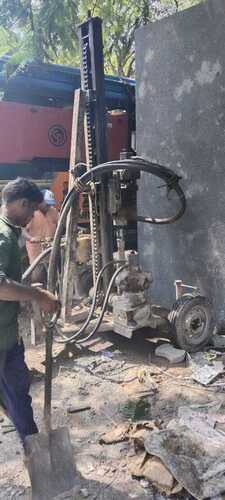
Tell us about your requirement

Price:
Quantity
Select Unit
- 50
- 100
- 200
- 250
- 500
- 1000+
Additional detail
Mobile number
Email

More Products in Earthing Electrode Category
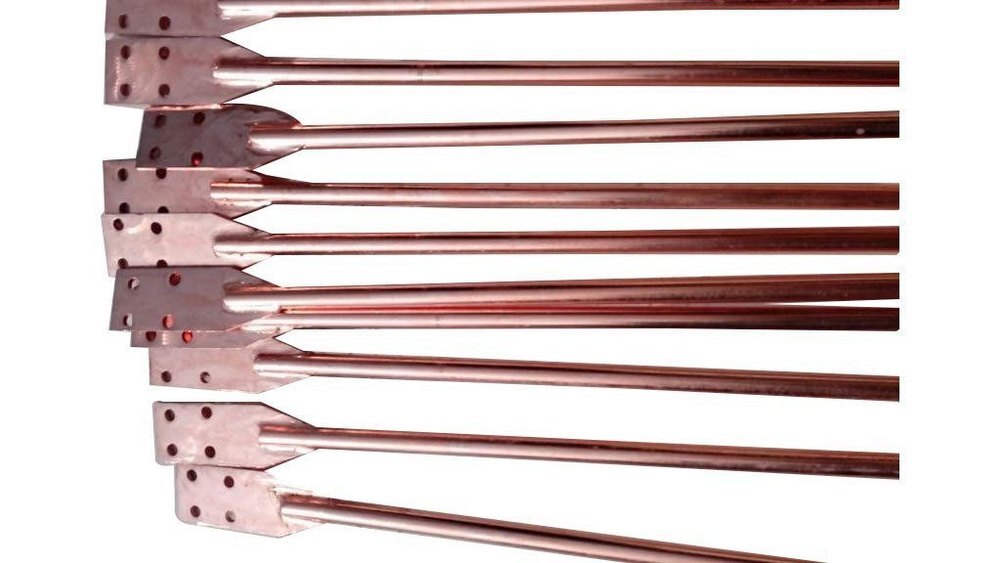
Copper Bonded Earth Rod
Price 750.00 INR / Piece
Minimum Order Quantity : 50
Color : Copper
Purity : 99%
Copper Thickness : 17.2 Millimeter (mm)
Warranty : Yes
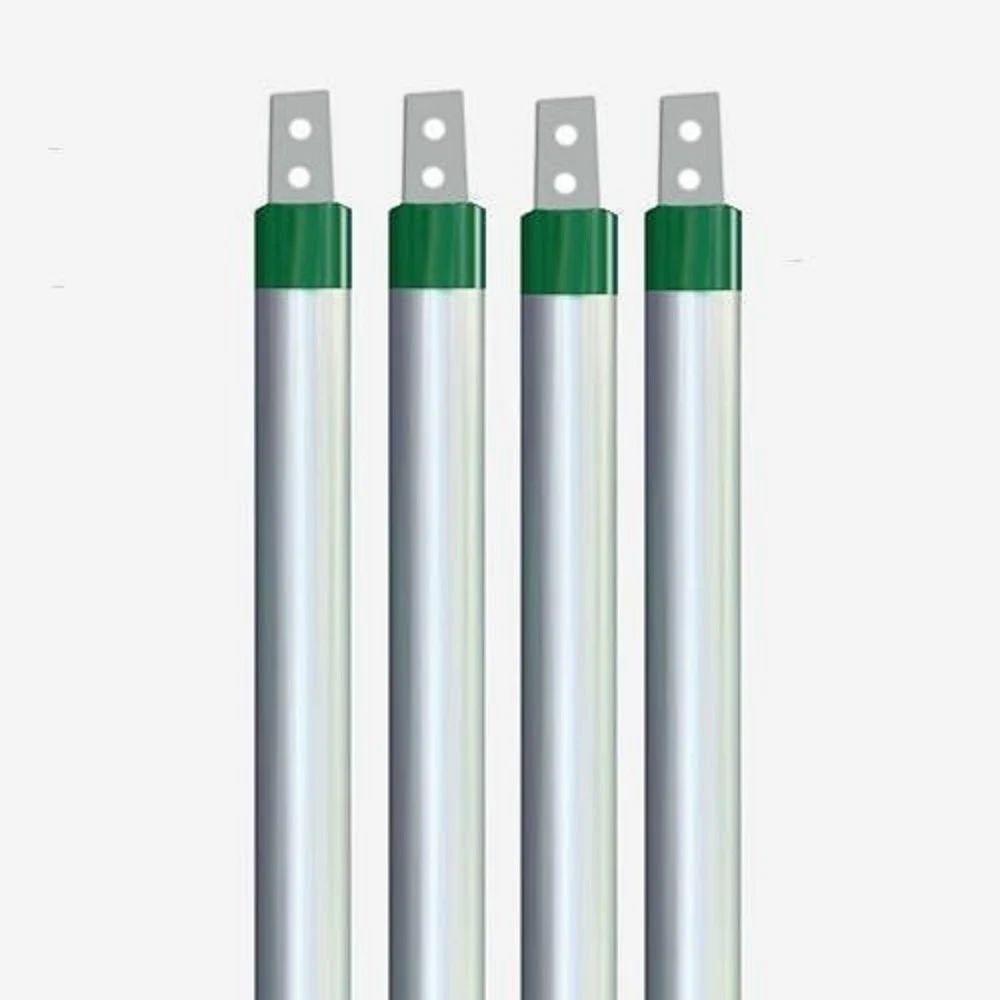
Industrial GI Earthing Electrode
Price 600.00 INR / Piece
Minimum Order Quantity : 50 Pieces
Color : Silver
Purity : 99%
Copper Thickness : 1.6mm Millimeter (mm)
Warranty : Yes
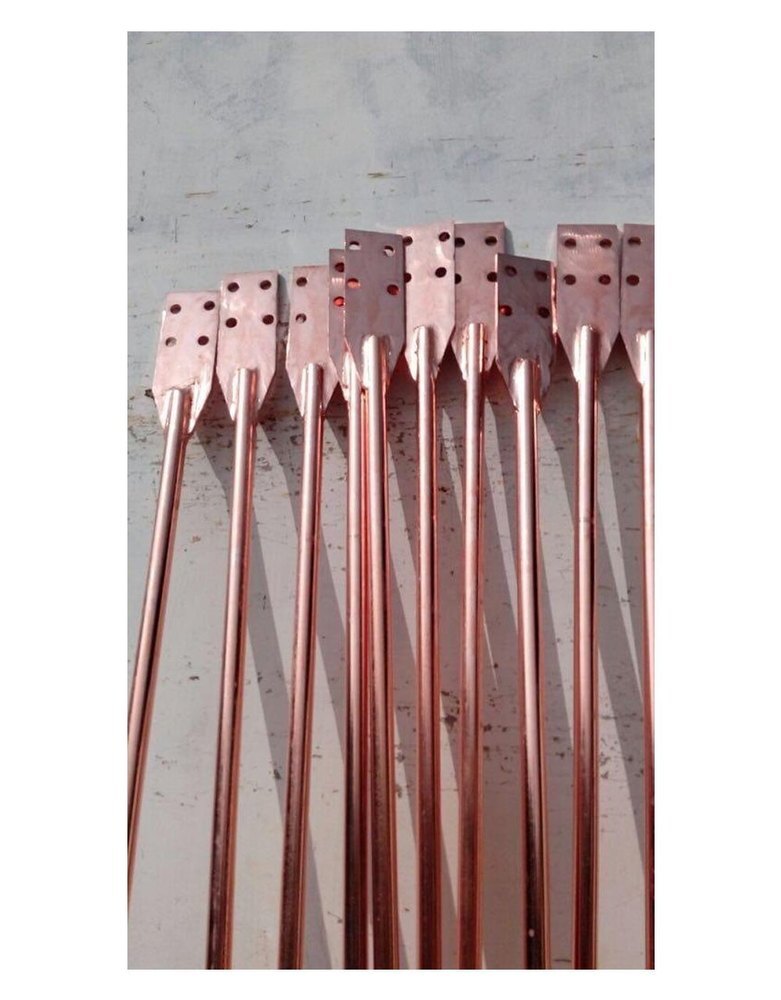
Copper Earthing Bonded Rod
Price 1800 INR / Piece
Minimum Order Quantity : 10 Pieces
Color : Silver
Purity : 99%
Copper Thickness : 1.6 Millimeter (mm)
Warranty : Yes
Earthing Rod
Price 1800 INR / Unit
Minimum Order Quantity : 100 Units
Color : Silver
Purity : 99%
Copper Thickness : 1.6mm Meter
Warranty : Yas


 Send Inquiry
Our Products

1st Floor, Gat No 86, office No-102, Kirkatwadi Village Road Panchawanti Appt,Pune - 411024, Maharashtra, India

Mr. Umesh
(Proprietor )
Mobile :08045812426
 Send Inquiry
 Send SMS
Developed and Managed by Infocom Network Private Limited.


